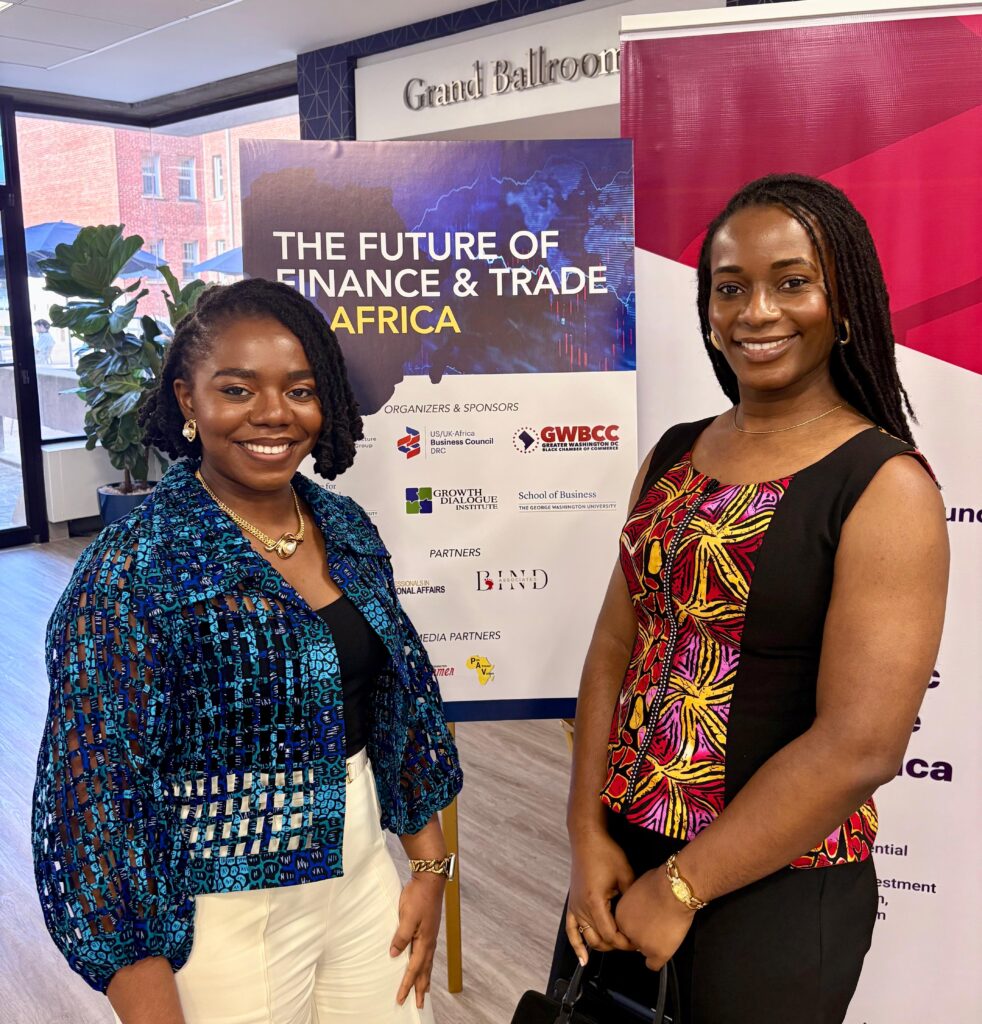
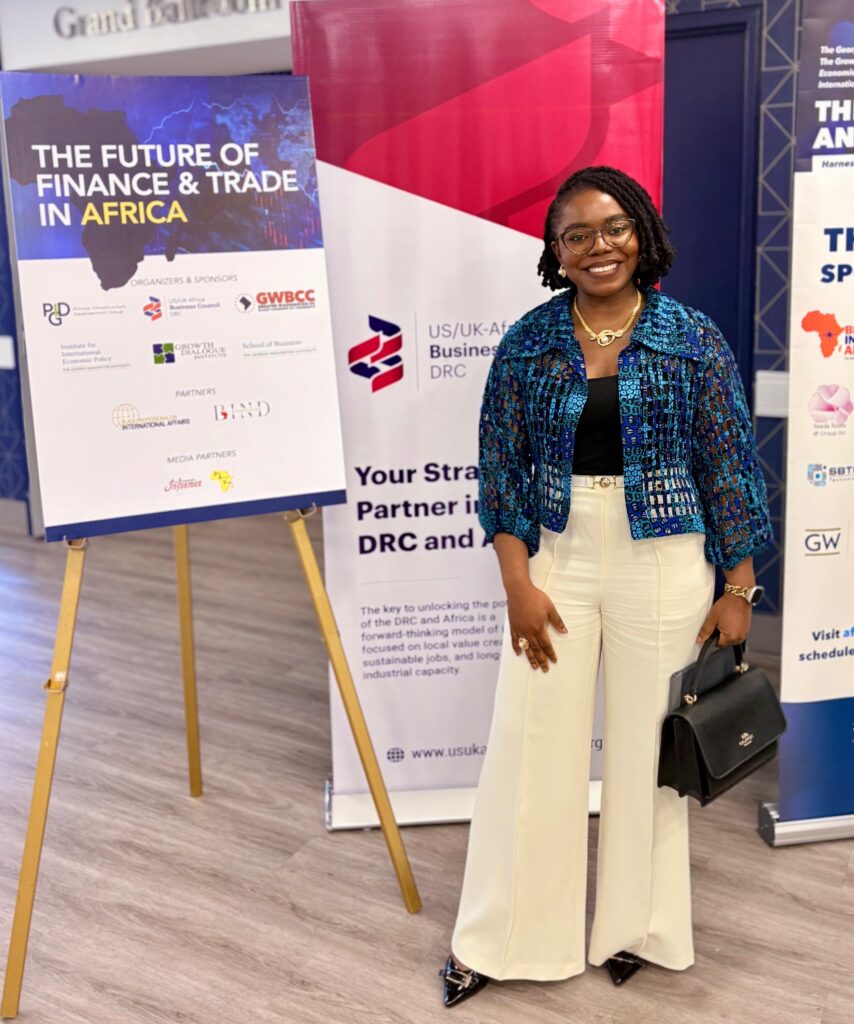
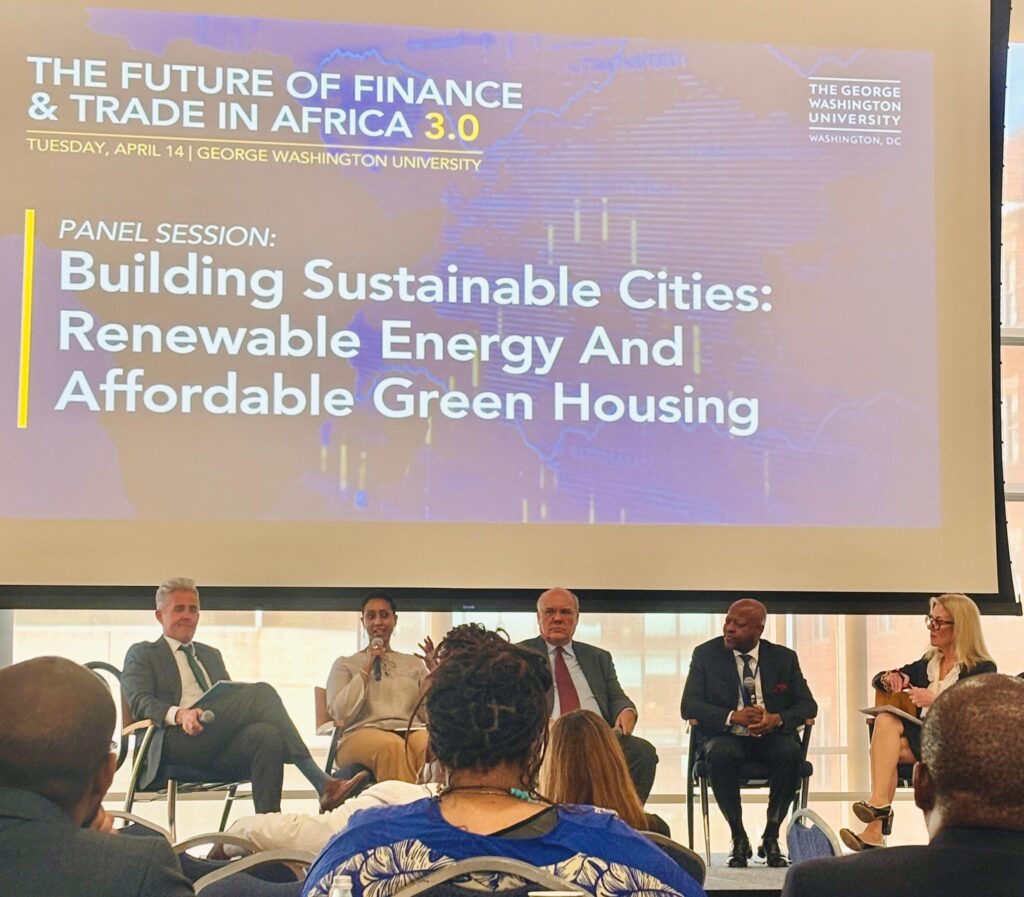
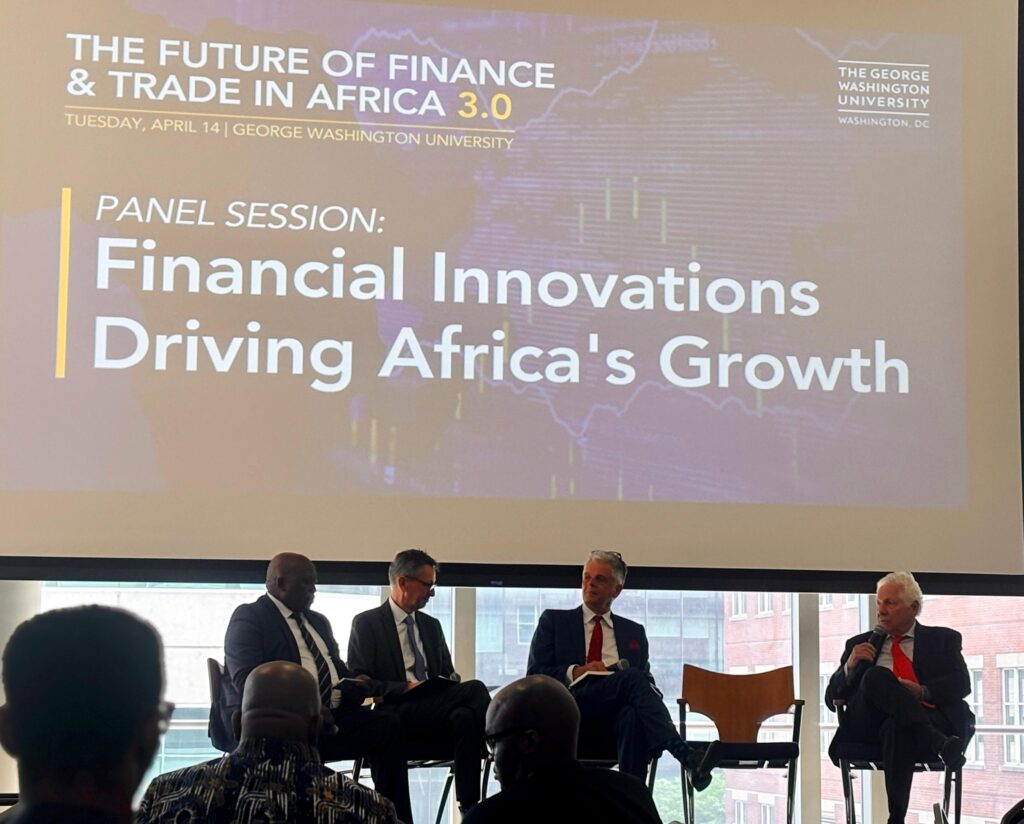
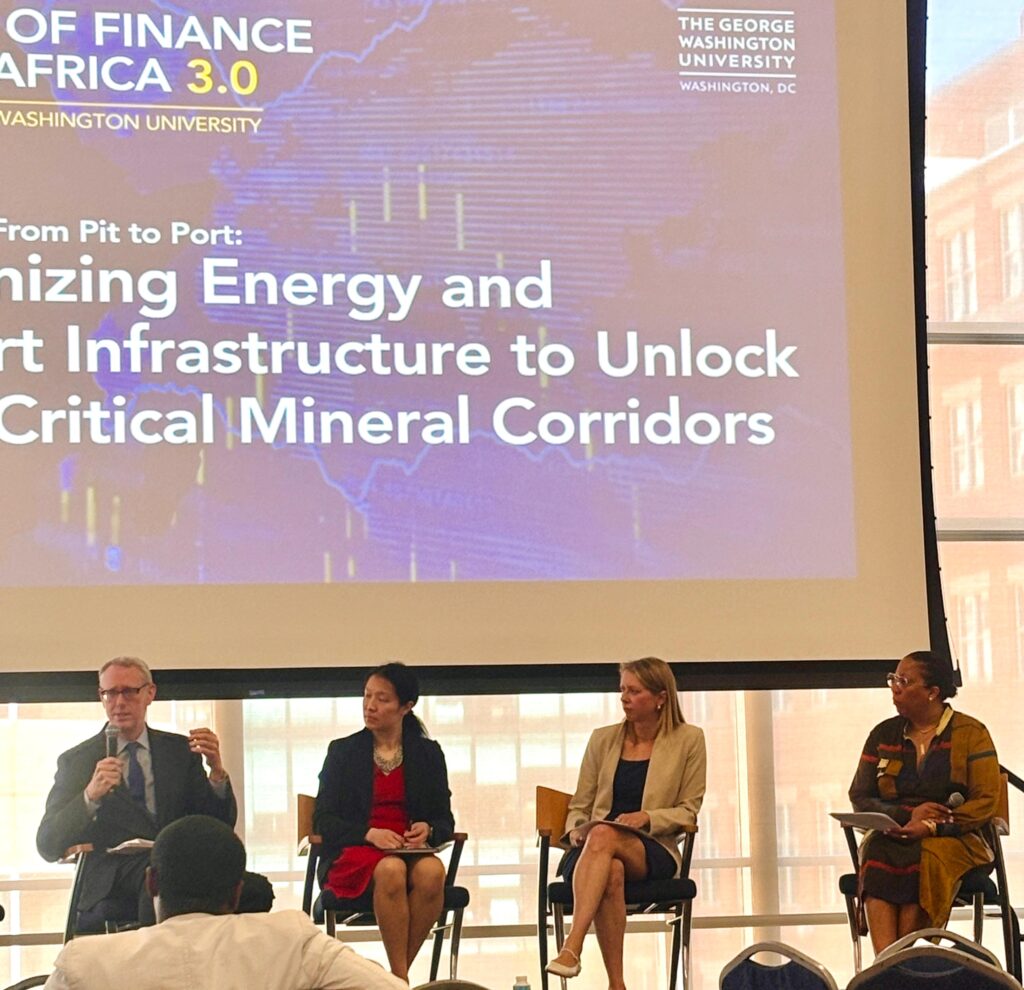
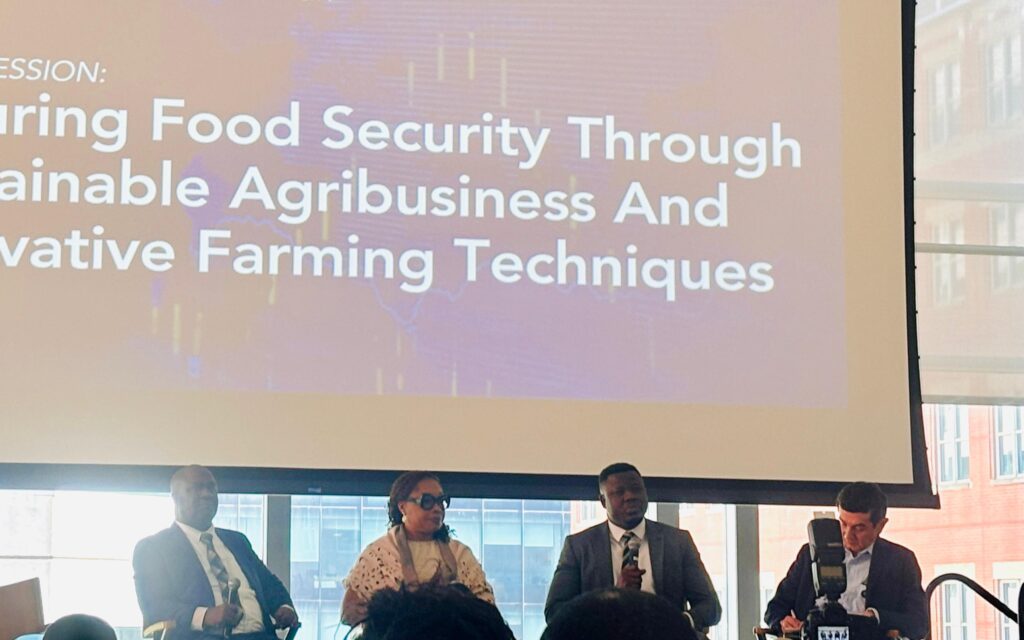
On 14th April 2026, our Founder & CEO, Nma Agada, and Director of Operations and Communications, Thelma Ekeocha, attended The Future of Finance & Trade in Africa 3.0 – a full-day convening featuring senior voices from the World Bank, IFC, DFC, private sector investors, academics, and governments across the African continent and diaspora.
The convening confirmed what Graft Africa has been building toward.
Across five panels on financial innovation, emerging technology, food security, sustainable cities, and critical mineral corridors, the same gaps surfaced repeatedly: the absence of data infrastructure for market entry and investment-readiness; the disconnect between agricultural production systems and the financing, traceability architecture, and certification systems they need to compete; and a persistent failure to move beyond agreements to implementation.
Panel 3, focused on food security and agribusiness, was particularly reinforcing, aligning with Graft Africa’s four domains of change. $4 billion is lost annually to post-harvest challenges. A clear call for agricultural data systems that are fluent in our contexts and speak to health data systems. Actor mapping is identified as a prerequisite for understanding where losses accrue and where financing can intervene. These are not abstract problems. They are exactly the problems our agricultural data advisory practice is designed to address, and the rationale behind our agri-food data solutions platform currently in development.
The panel on emerging technology directly raised the question: What kind of data infrastructure is vital for African markets beyond data center models? Regarding critical minerals and infrastructure investment, the observation was made that investment-readiness is a key gap. In the context of agricultural and food systems, building that readiness requires visibility into the actors, value chains, and incentive structures of all relevant stakeholders at the table. Beyond data infrastructure, we must broker and sustain partnerships, knowledge aggregation and dissemination, and cross-institutional learning.
This feeds into the conversation at the center of our Beyond Remittances Forum on April 22 in Washington, DC. The Future of Finance & Trade 3.0 made the case clearly: remittances alone are not a capital strategy. The diaspora’s contribution needs to expand into investment architecture – funds, angel networks, and structured vehicles that channel capital toward bankable, high-impact agri-food and development projects. The diaspora must also organize into arrangements that credibly and consistently bring knowledge, innovation, and market access to Africa-based actors and systems. We are energized to be at the forefront of a convening driving this conversation, and to be positioned as a partnerships accelerator that can broker and advise on these connections.
Graft Africa is building working relationships with investors, DFIs, non-profits, researchers, and relevant private sector actors seeking deal flow intelligence and sector context in West Africa’s agri-food systems; agricultural commodity bodies and apex institutions ready to integrate data governance into their operations; and development partners interested in co-designing the knowledge infrastructure that makes investment-readiness, resilience, and sustainable development possible.
The conversation is moving, and we are moving with it.